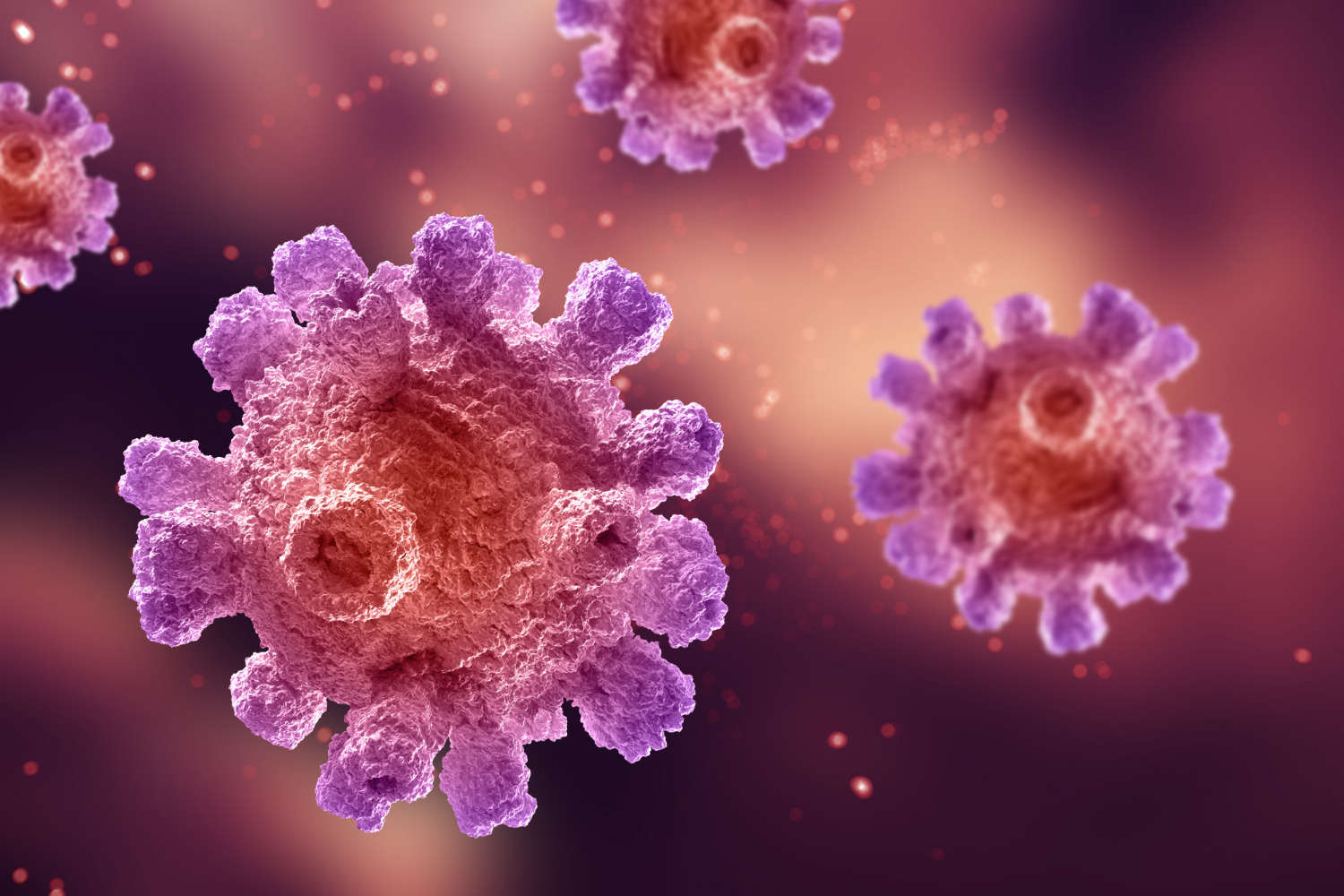
Understanding HPV: The Hidden Virus Behind Cervical Cancer
Human Papillomavirus (HPV) is one of the most common viral infections in the world, yet it remains largely misunderstood. Most people who are infected with HPV do not experience any symptoms and may never realise they carry the virus. In many cases, the body clears the infection naturally. This silent nature of HPV is the reason it often goes unnoticed-allowing certain high-risk infections to persist without detection.
While most HPV types are harmless, a few high-risk strains are known to cause cervical cancer. When these high-risk HPV infections remain in the body for a long period, they can gradually lead to abnormal changes in the cells of the cervix. Over time, if these changes are not identified and treated early, they may develop into cervical cancer. This slow and silent progression makes early awareness and prevention extremely important.
HPV spreads mainly through close skin-to-skin contact, including sexual contact. Both women and men can carry and transmit the virus, often without any visible signs. Anyone who is sexually active is at risk of HPV at some point in their life. Certain factors, such as early exposure, multiple partners, or a weakened immune system, may increase the chances of persistent infection. However, HPV is not linked to poor hygiene or personal behaviour, and this distinction is important to reduce stigma and misinformation.
The most effective way to protect against HPV-related cervical cancer is prevention through vaccination and regular screening. HPV vaccination helps protect against the most common high-risk virus types responsible for cervical cancer. Regular screening through Pap smear or HPV tests can detect early cell changes before they become cancerous, enabling timely and effective treatment. Together, vaccination and screening form a powerful defence against cervical cancer.
Despite medical advances, myths and social discomfort around HPV and women’s health continue to delay prevention. Many people believe HPV only affects certain groups or that vaccination is unnecessary if someone appears healthy. In reality, early prevention is most effective before symptoms appear. Open conversations, community education and trusted public health initiatives play a vital role in breaking these misconceptions. By increasing awareness about HPV, encouraging vaccination and normalising screening, we can protect women’s health, reduce the burden of cervical cancer and empower families to take informed, preventive action.
