Bridging the Awareness Gap: Corporate Social Responsibility and the Fight Against Communicable Diseases
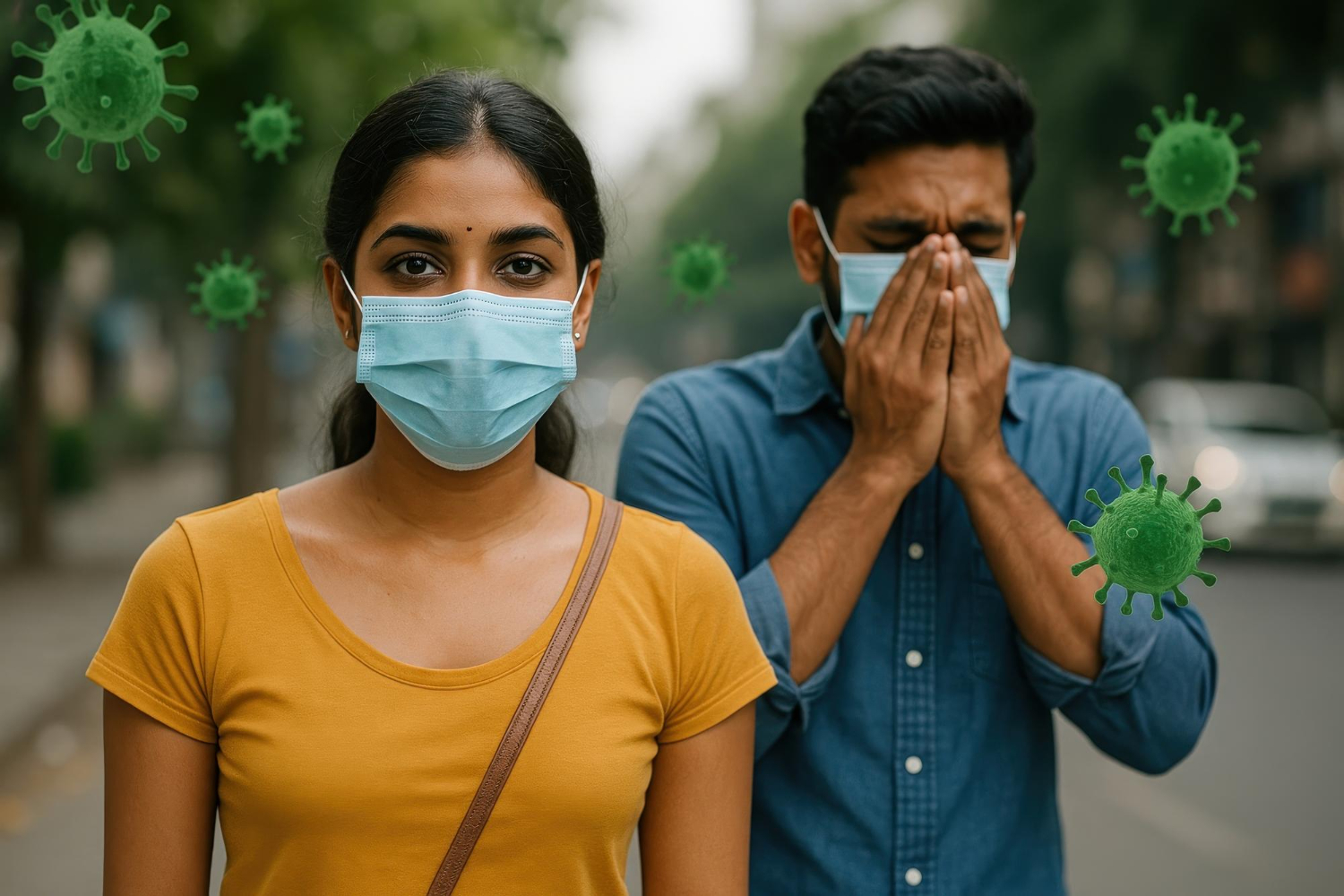
Communicable diseases are a major public health issue in India, especially in the underprivileged and low-income sections of society. Diseases like tuberculosis, dengue, malaria, and various vaccine-preventable diseases continue to affect millions of people every year. Although there are medical solutions for these diseases, a lack of awareness and timely intervention has led to the spread of diseases in families and communities.
The spread of communicable diseases is also closely associated with the lack of access to quality health information. Practices like immunization, early screening, hand washing, clean water habits, and proper sanitation can help control the spread of diseases. However, unless communities are exposed to consistent and quality health education, these practices will not become a part of their daily lives. There are several factors that continue to widen the awareness gap. Misinformation about immunization, testing, and treatment has led to fear and reluctance. In many areas, people rely on unverified sources for health information. Social stigma attached to diseases like tuberculosis and HIV has also acted as a deterrent to discuss and seek treatment.
At HMD Foundation, we recognize that Corporate Social Responsibility can be a powerful tool in enhancing health education and preventive measures in the public. CSR activities can be designed to support health awareness campaigns conducted in local languages, with simple and culturally appropriate messaging. Such campaigns can help communities identify early signs of diseases, modes of transmission, and the significance of timely testing and vaccinations.
CSR activities can also facilitate access through screening camps, mobile health vans, and vaccination campaigns that bring necessary health services closer to the homes of the people. This makes health services more accessible and affordable, especially for women, children, and the elderly. Hygiene education programs that include hand washing, sanitation, safe water, and vector control can be incorporated into CSR activities to address the root causes of disease transmission.
The success of CSR activities is further amplified by partnerships with NGOs, healthcare professionals, and government agencies. Such partnerships can provide medical authenticity, community acceptance, and alignment with health priorities.
Long-term engagement is critical for making a difference. Long-term CSR activities can help communities develop health literacy, confidence in preventive healthcare, and faith in healthcare systems. By filling the knowledge gap, HMD Foundation seeks to empower communities, slow the spread of communicable diseases, and help build stronger and more resilient health systems.
